Is your Dallas home ready to compete, or will buyers scroll past it? In today’s market, preparation matters more than ever because buyers have options and they notice condition, presentation, and price right away. If you want to sell with fewer surprises and stronger interest, a smart prep plan can help you put your home in its best light. Let’s dive in.
Dallas market conditions matter
Dallas is still an active market, but it is not the kind of market where almost any home will sell quickly without effort. June 2026 city data showed 5,830 active listings, a median listing price of $459,000, a median sold price of $437,500, and 51 median days on market. Another recent data set showed a median sale price of $498,702 and about 40 days on market.
Those numbers vary because the reports use different timeframes and methods, but the takeaway is the same. Buyers have more choices, and sellers need to make a clear case for value. Across the Dallas-Fort Worth metro, inventory was also well above 2019 levels, and many listings had price reductions, which puts even more pressure on condition and pricing.
Start with repairs that matter most
Before you think about decor, focus on the systems and issues buyers are likely to notice first. In Dallas, weather and soil conditions make some repairs more important than others. Hot summers, hail, strong storms, and shifting soil can all affect how your home shows and how confident buyers feel.
A practical place to start is with the big-ticket items that affect comfort, safety, and long-term maintenance. These are often the same issues that come up during a buyer’s inspection.
Prioritize Dallas-specific trouble spots
North Texas weather can be tough on homes. Summers often reach or exceed 100 degrees, and spring storms can bring hail, high winds, flooding, and tornadoes. Expansive soils can also shrink and swell with moisture changes, which is why drainage and foundation performance deserve close attention.
That means Dallas sellers should usually address these items before cosmetic updates:
- HVAC performance and cooling reliability
- Roof condition, especially after hail or wind exposure
- Gutters and downspouts
- Drainage around the home
- Visible foundation or slab movement
- Signs of water intrusion or past water damage
If buyers walk in and sense deferred maintenance, they may assume other issues are hiding too. Fixing the basics first helps reduce that concern.
Use the disclosure form as a checklist
Texas requires the current TREC Seller’s Disclosure Notice for previously occupied single-family homes in many cases, and it asks about known conditions involving the roof, foundation or slab, drainage, termites, prior structural or roof repair, water damage, and flood history. That makes early preparation especially important. If you already know about a problem, it is better to deal with it before your home goes live.
Gather invoices, warranties, and repair records as you prep. Clear documentation can help support buyer confidence and make the transaction smoother once questions start coming in.
Consider a pre-sale inspection
A pre-sale inspection is optional, but it can be a smart move if you want fewer surprises later. It may identify concerns with the structure, exterior, roof, plumbing, electrical system, HVAC, insulation, ventilation, or fireplace before a buyer discovers them.
That does not mean you have to fix every minor item. It means you can make informed decisions about what to repair, what to disclose, and how to price your home based on real condition rather than guesswork.
Make low-cost updates count
Once the major items are handled, turn to simple cosmetic improvements that help your home feel clean and well cared for. These updates are often more affordable than full renovations, but they can still make a strong first impression.
Painting is one of the most common recommendations before selling. A fresh coat of paint can brighten rooms, reduce visual distractions, and help buyers focus on the home itself instead of your personal style.
Focus on the basics buyers notice
You do not need a full redesign to prepare your home for the market. In most cases, a few practical updates go a long way.
Focus on tasks like these:
- Repaint heavily worn or bold-colored rooms
- Patch nail holes and minor wall damage
- Replace burned-out light bulbs
- Deep clean floors, baseboards, and windows
- Refresh caulk where needed in kitchens and baths
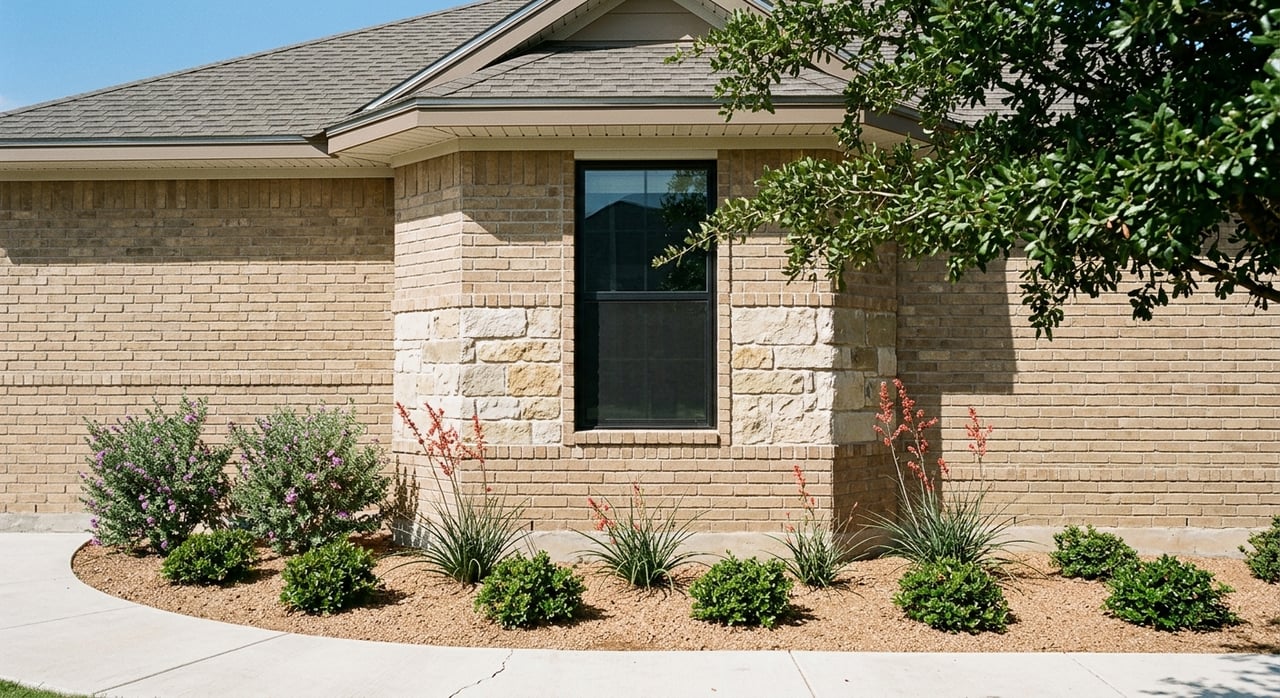
- Clean up the front entry and driveway
- Tidy landscaping and remove debris
These improvements signal care and maintenance. In a balanced market, that can help your home stand out from similar listings.
Declutter and stage for online buyers
Most buyers start their search online, so your home needs to look good on a screen before it ever gets an in-person showing. Recent buyer trend data found that 43% of buyers began by looking online for properties. Among internet users, 83% said photos were very useful, and 79% said detailed listing information was very useful.
That matters because your listing photos may shape whether a buyer books a showing at all. If rooms look crowded, dark, or overly personal, buyers may move on before giving your home a chance.
Staging is simpler than many sellers think
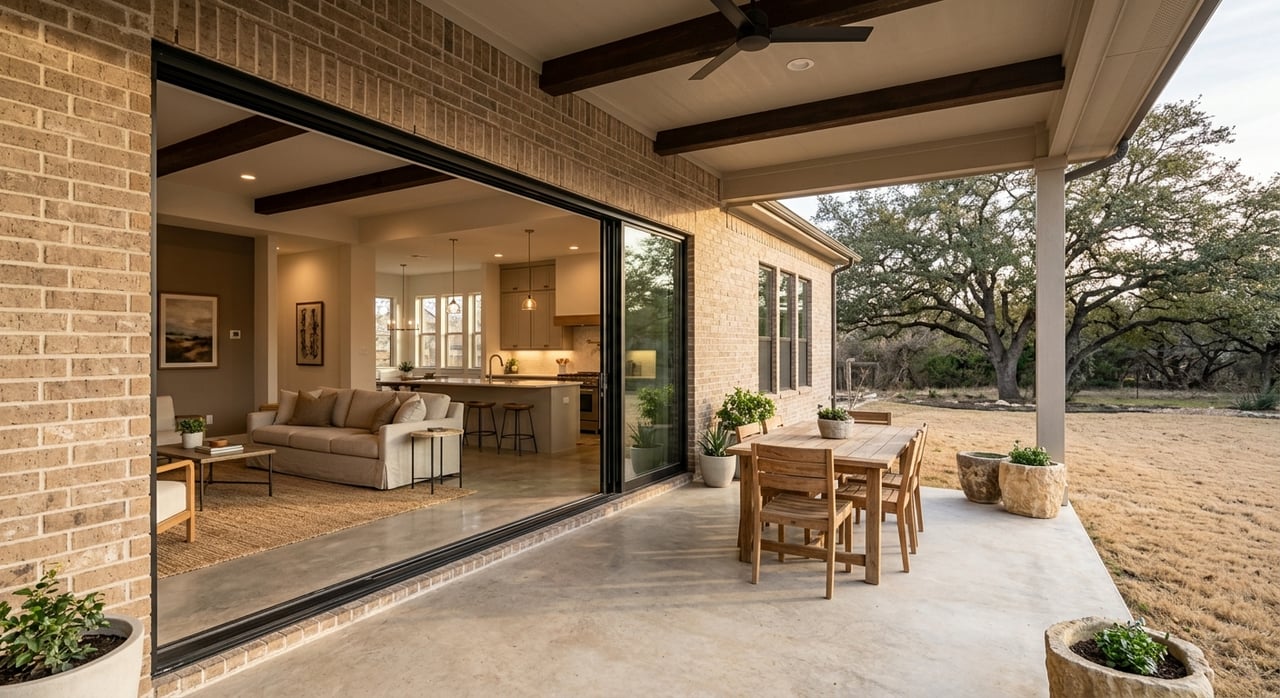
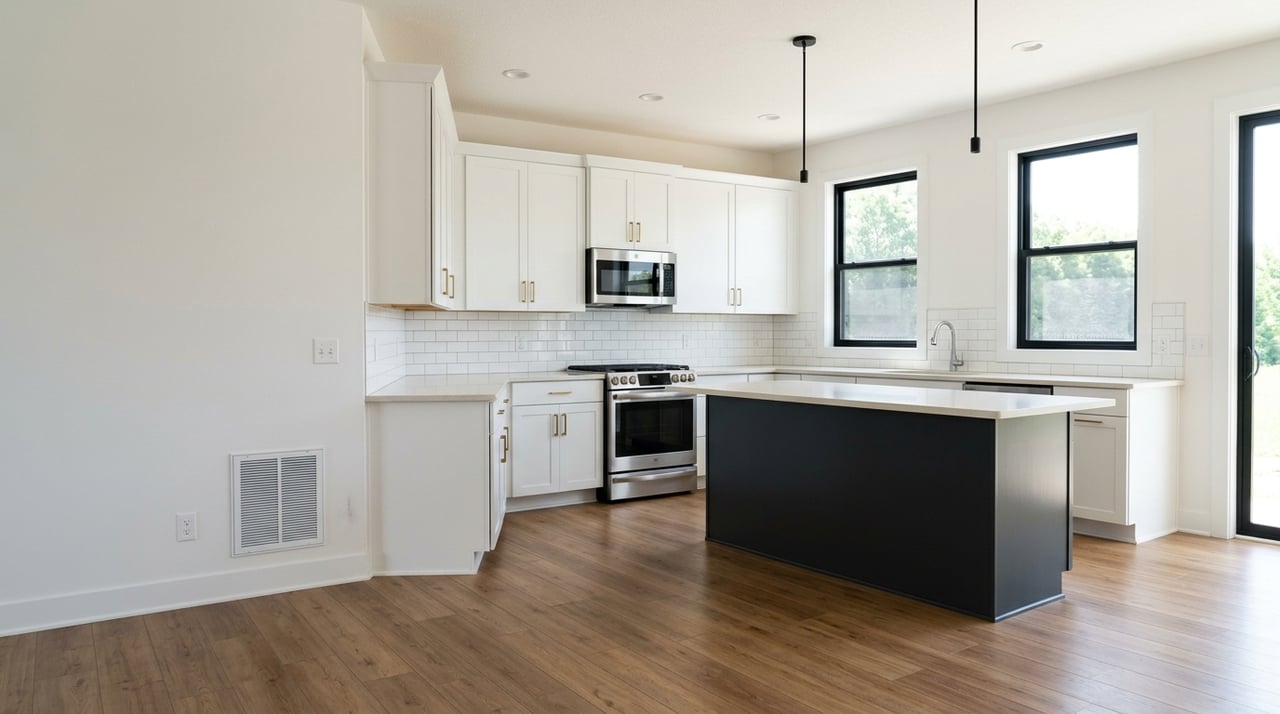
Staging is usually more about editing than decorating. It helps buyers picture how space functions and how they might live there. That is one reason many agents say staging makes it easier for buyers to visualize a home as their future home.
You can improve that experience by:
- Removing excess furniture to open walkways
- Clearing countertops and bathroom vanities
- Putting away personal photos and keepsakes
- Organizing closets and storage areas
- Using simple, neutral accents
- Making each room’s purpose clear
Staging does not guarantee a higher sale price, but research suggests it can help with buyer perception and may reduce time on market. In a market with more inventory, that extra edge matters.
Prepare for photos and video
Professional marketing now goes far beyond a yard sign. Listing photos and video are a normal part of the process, and they are often shared through the MLS and major home search sites. Since buyers are shopping digitally first, your photo prep should be intentional.
Before photos are taken, remove items that distract from the home’s features. You want buyers to notice natural light, room size, floorplan flow, and updates, not cords, clutter, or crowded surfaces.
Protect privacy while marketing well
As you prepare for photos and showings, think about privacy and safety too. Stow personal items, secure valuables, and remove anything that reveals sensitive information. If your home includes documents, prescription bottles, spare keys, or collectible items, put them away before marketing begins.
It is also wise to keep the home photo-ready with minimal personal exposure. A clean, neutral presentation supports both marketing and peace of mind.
Get your home showing-ready
Once your home is live, small showing details can leave a big impression. Buyers often react to how a home feels in the moment, not just to square footage or finishes. Cleanliness, light, and comfort all shape that experience.
A simple pre-showing routine can help keep your home ready without creating too much stress.
Use a quick showing checklist
Before each showing, aim to:
- Wipe mirrors and countertops
- Put out fresh towels
- Open window coverings
- Turn on lights
- Make beds and straighten furniture
- Remove pets from the home when possible
- Disable any alarm system as needed for access
These steps are simple, but they help your home feel cared for and easy to tour. That can influence how long buyers stay and how positively they remember the visit.
Prep supports pricing strategy
Getting your home ready is not just about looks. It also supports your pricing strategy. When agents evaluate a list price, they look at size, location, amenities, condition, recent comparable sales, current market conditions, and your timeline.
If your home needs visible work, buyers may expect a discount or ask for concessions. If your home feels clean, repaired, and move-in ready, you may avoid some of those early objections.
Why condition affects price in Dallas
In a market with thousands of active listings and a meaningful share of price reductions across the metro, buyers can compare homes quickly. If two homes are similar in size and area, the one with better condition and presentation often makes a stronger impression.
That does not mean prep guarantees a certain sale price. It does mean preparation can help justify your asking price and reduce the chances of chasing the market with later price cuts.
Follow a smart Dallas prep sequence
If you are not sure where to begin, keep the process simple. A clear order of operations can save time, reduce overlap, and help you launch with confidence.
Here is a practical prep sequence for Dallas sellers:
- Inspect and review known issues
- Gather repair records and disclosure details
- Fix safety, system, roof, drainage, or foundation concerns
- Complete low-cost cosmetic improvements
- Declutter, clean, and stage
- Take photos and prepare marketing materials
- Launch with a pricing plan based on current comps and market conditions
This sequence helps you handle the most important items first. It also puts you in a better position to present your home clearly from day one.
If you are thinking about selling in Dallas, the right prep can make your next step feel much more manageable. A thoughtful plan helps you address the issues buyers care about, present your home more effectively online and in person, and support a pricing strategy that fits today’s market. When you want practical guidance and steady communication, Empyral Group is here to help.
FAQs
What should you fix before listing a home in Dallas?
- Start with major items that affect buyer confidence, including HVAC performance, roof condition, gutters, drainage, visible foundation concerns, and any signs of water damage.
How important is staging when selling a Dallas home?
- Staging can help buyers visualize the home more easily, and it may improve presentation, strengthen interest, and help reduce time on market.
Should you get a pre-sale inspection before listing in Dallas?
- A pre-sale inspection is optional, but it can help you find issues early and decide what to repair, disclose, or factor into your pricing strategy.
Why do listing photos matter for Dallas home sellers?
- Many buyers begin their search online, and strong photos help your home make a better first impression and attract more showing interest.
How does home preparation affect pricing in the Dallas market?
- In a market with more inventory and many price reductions, a clean, repaired, well-presented home can better support its asking price and avoid some early buyer objections.