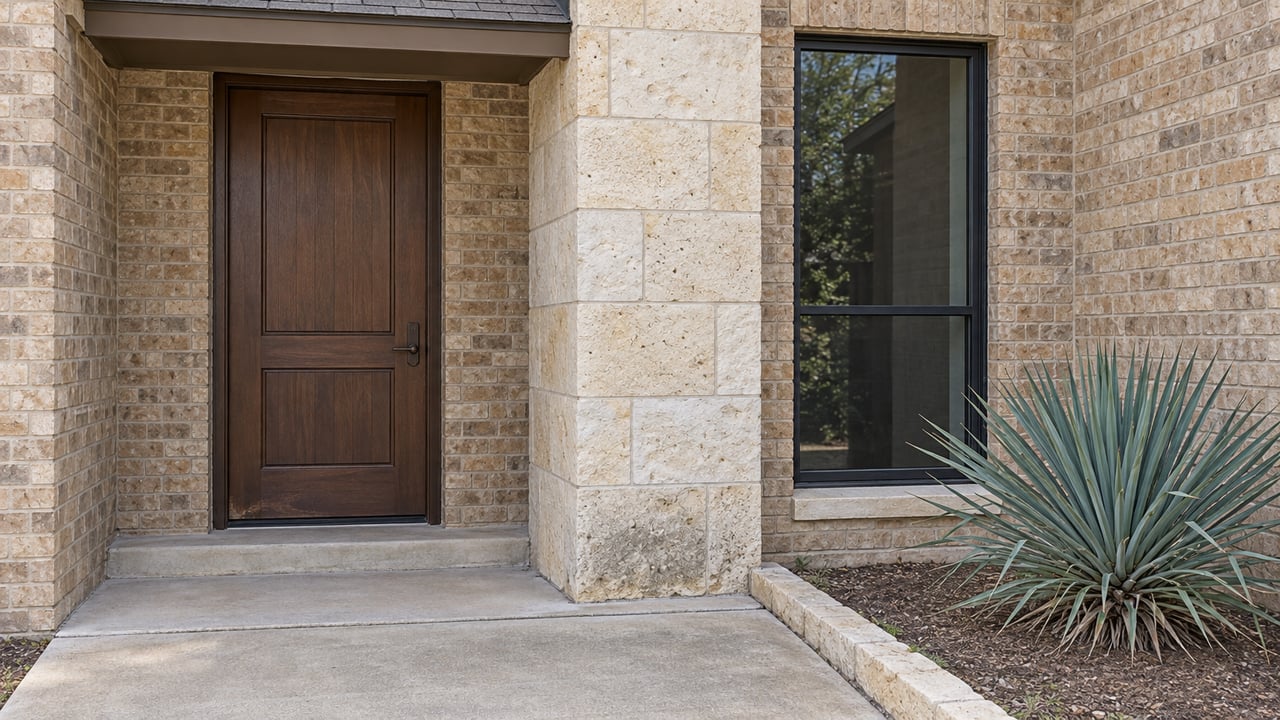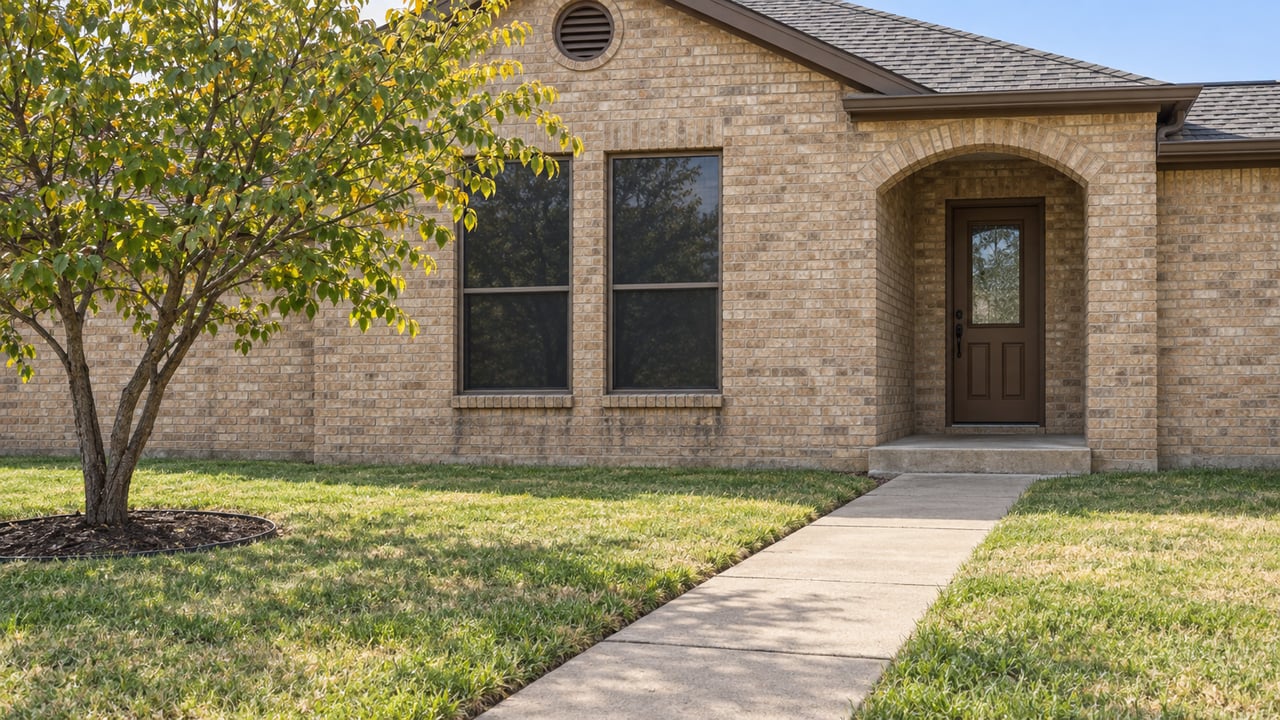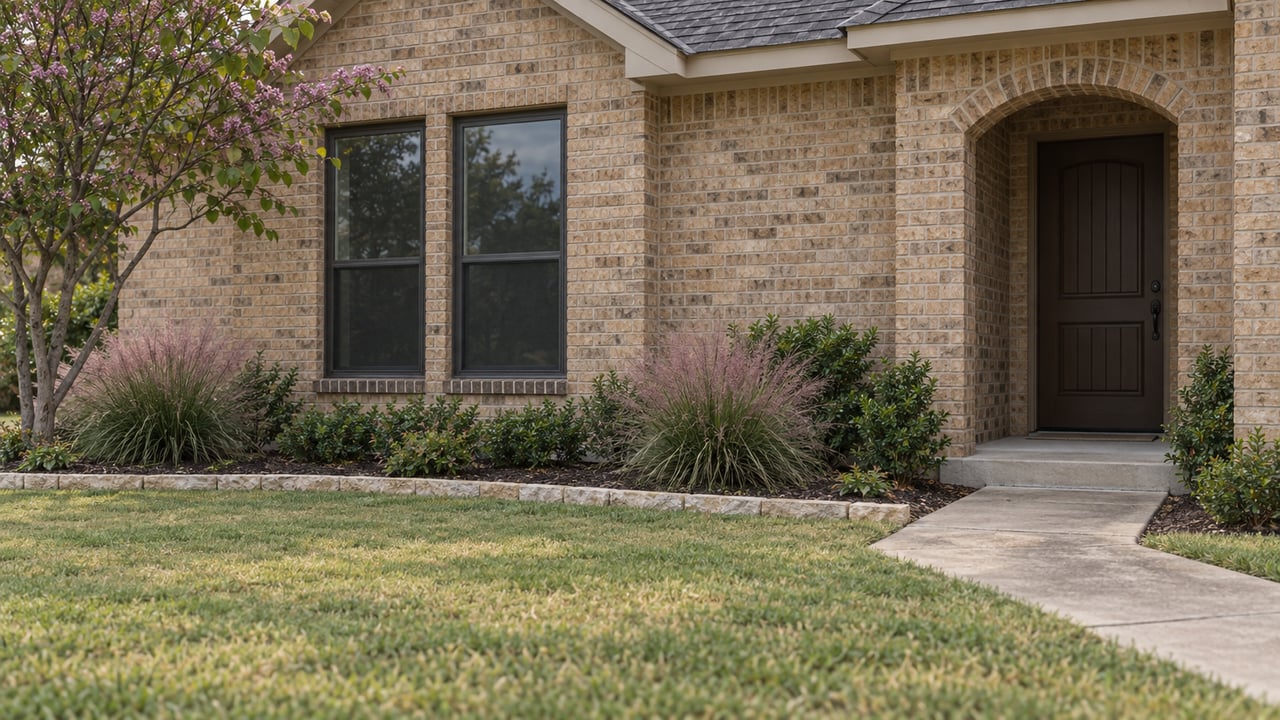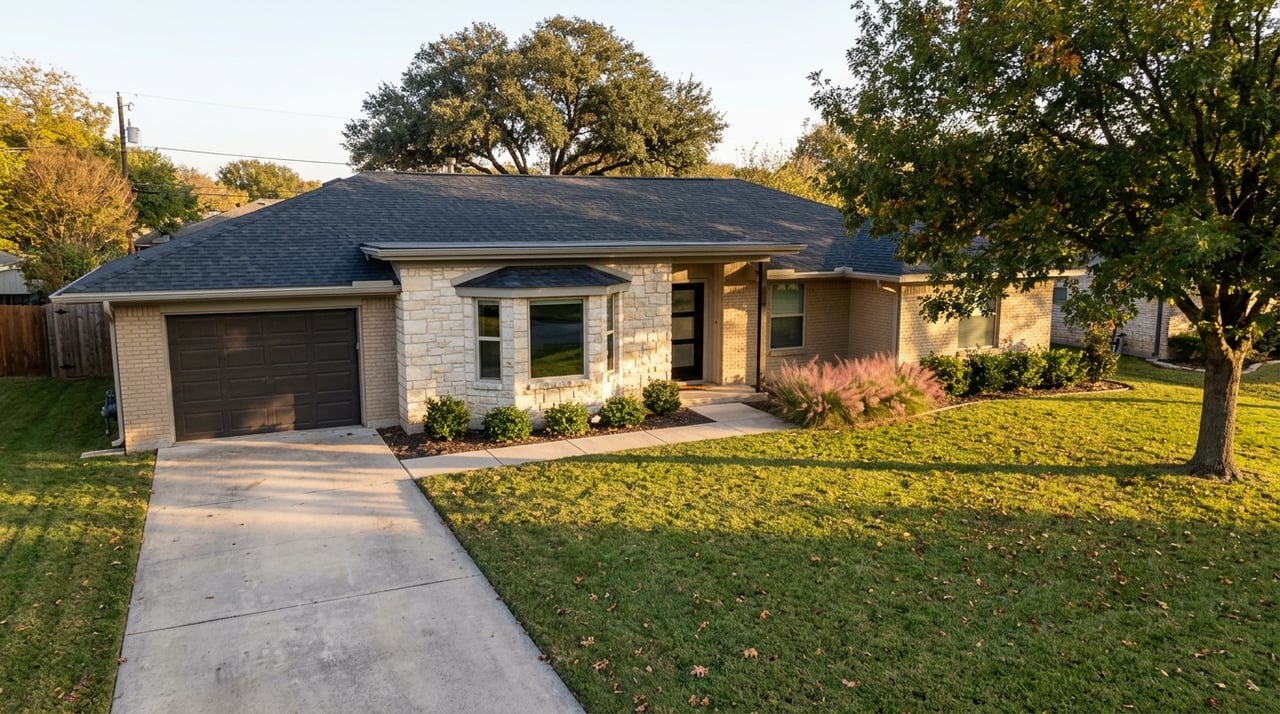
If you are thinking about owning a single-family rental in Bryan-College Station, College Hills Estates deserves a closer look. This neighborhood sits in a market shaped by Texas A&M, steady rental demand, and a meaningful supply of detached rental homes, but ownership here is not just about buying the right house. You also need to think about lease timing, upkeep, registration rules, and how an older neighborhood affects your investment plan. Let’s dive in.
Why College Hills Estates Stands Out
College Hills Estates is not a brand-new subdivision built around investor demand. According to the Eastgate Neighborhood Plan, the neighborhood began development in 1938 and remains largely single-family in character, with about 2.83 units per acre.
That older layout matters if you are buying a rental. Large lots, mature trees, and established streets can make properties appealing to renters looking for more space than a typical apartment or newer townhome. At the same time, older homes often require more planning for repairs, systems updates, and routine maintenance.
The same city plan also notes that College Hills Estates has a higher share of rental properties than some nearby areas, with continued redevelopment and restoration of older homes into rental investment properties. In practical terms, that means you are entering a neighborhood where rental ownership is already part of the housing mix, not an unusual exception.
Rental Demand in Bryan-College Station
The rental story in College Station is closely tied to the local population and the university. The U.S. Census QuickFacts page for College Station reports a 2024 population estimate of 128,023 for the city, while Brazos County reached 249,624.
Texas A&M is a major force behind that demand. The same research shows total fall 2025 enrollment of 81,354, including 74,407 students on the College Station campus. That does not mean every renter is a student, but it does mean the university strongly influences leasing cycles, turnover patterns, and housing demand across the area.
The city’s 2025-2029 Consolidated Plan describes College Station as a strong rental market, with 65.1% renter-occupied housing and 34.9% owner-occupied housing. It also lists median gross rent at $1,168 in College Station and $1,193 in Brazos County, which helps set a broad baseline for the local market.
Single-Family Rentals Are a Real Segment
If you prefer detached homes over apartments, the local data supports that strategy. College Station’s 2024 existing-conditions report shows 6,166 renter-occupied single-family detached units in the city.
That is important because it confirms single-family rentals are a meaningful part of the local housing stock. In other words, you are not betting on a niche product type. You are investing in a property style that already serves a sizable share of renters in the market.
For College Hills Estates, that fit is even more relevant because the neighborhood itself is primarily single-family. If your investment goal is a detached home with established neighborhood character, this area aligns well with that model.
Who May Rent in College Hills Estates
Students are the most obvious tenant group in the Bryan-College Station area. Texas A&M’s Housing Application Process explains that on-campus housing is optional and fills early, especially in spring for fall housing and in December for spring housing.
That pattern supports the idea that many renters look off campus before the semester rush. For owners, this means marketing too late can leave you competing for a smaller pool of tenants after many housing decisions have already been made.
College Hills Estates may also appeal to renters who want a more traditional neighborhood setting. Based on the neighborhood plan and city housing data, detached homes here may suit households looking for more space or a longer-term rental option, not only student groups. That wider appeal can be helpful if you want flexibility in your leasing strategy.
Lease Timing Matters Here
In a university-influenced market, timing can affect vacancy just as much as pricing. Texas A&M’s housing calendar runs from late August to early May, which makes that academic cycle highly relevant for off-campus rentals.
For properties likely to attract students, a 12-month lease and an August move-in pattern often line up more naturally with local demand. This is an inference from the university calendar rather than a private-market rule, but it is a practical one for reducing awkward vacancy gaps around the semester schedule.
If your property is more likely to appeal to longer-term households or professionals, a standard 12-month renewal structure may be the simpler option. The key is to match lease structure to the renter profile your home is most likely to attract instead of using a one-size-fits-all plan.
Older Homes Need a Different Budget
One of the biggest mistakes rental owners make in older neighborhoods is underestimating condition planning. In College Hills Estates, cosmetic upgrades alone may not be enough.
The Eastgate Neighborhood Plan highlights mature trees, large lots, and ongoing restoration and redevelopment. It also notes neighborhood concerns around property maintenance and parking. For you as an owner, that means a solid maintenance budget should start with the basics:
- Roof condition
- HVAC performance
- Plumbing and leak prevention
- Drainage issues
- Tree and landscape maintenance
- Turnover repairs between tenants
This area’s age and lot characteristics can create more maintenance variables than a newer subdivision. A house that looks attractive at first glance may still need meaningful work behind the walls or above the ceiling.
Moisture and HVAC Are Local Priorities
The Brazos County climate adds another layer to your maintenance planning. Texas A&M Residence Life notes on its maintenance guidance page that hot, humid conditions can encourage moisture issues and organic growth, and that AC, moisture, and pest concerns should be addressed quickly.
For a single-family rental, that is a useful local reminder. Preventive HVAC servicing, quick leak response, humidity control, and regular pest management can help protect both the property and the tenant experience.
These costs are not always dramatic in any one month, but they can become expensive when ignored. In an older rental home, fast response often matters more than flashy upgrades.
Know the Local Rules Before You Lease
Before you buy or rent out a home in College Station, make sure you understand the city’s registration requirements. According to the city’s rental registration page, all non-owner-occupied single-family homes, townhomes, duplexes, triplexes, fourplexes, five-plexes, and six-plexes must be registered.
If you live out of town, the city also requires you to designate a local contact within 30 miles of City Hall. Any ownership or contact changes must be reported within 30 days.
This matters for investors because compliance is not passive. If you own from outside the area or simply want fewer day-to-day surprises, having local property management support can make response times, documentation, and tenant coordination much easier.
Short-Term Rental Rules Are Different
Some investors consider switching between traditional leases and short stays during peak weekends or football season. In College Station, that is not a small operational change. It is a different compliance path.
The city’s short-term rental housing requirements state that stays of fewer than 30 consecutive days require a permit, annual renewal, hotel occupancy tax collection and remittance, an informational brochure for guests, and life-safety equipment such as smoke detectors, carbon monoxide detectors where applicable, and a fire extinguisher on each floor.
If your goal is steady income with simpler operations, a traditional long-term lease may be the more straightforward route. If you want flexibility for short stays, make sure you account for the added rules, setup, and ongoing oversight.
What to Watch Before You Buy
Not every single-family rental in College Hills Estates will perform the same way. Before you commit, it helps to evaluate the property through both an income lens and a neighborhood-fit lens.
Focus on these questions:
- Does the floor plan fit the renter profile you want to target?
- Are major systems already updated, or will you need near-term capital repairs?
- Is there enough parking to reduce likely tenant friction?
- How much tree, drainage, or exterior upkeep will the lot require?
- Will your lease timing align with likely market demand?
- Do you have a local contact or property manager in place if needed?
Because this neighborhood includes older homes and visible reinvestment activity, due diligence matters. A well-bought property can be a strong long-term hold, but a poorly planned purchase can become a maintenance-heavy headache.
Why Local Management Can Add Value
Owning a rental in a university-influenced market is rarely just about collecting rent. You may be dealing with turnover timing, maintenance coordination, local registration, and tenant communication all at once.
That is where a local, hands-on approach matters. Empyral Group offers property management and investor services as part of its integrated real estate model, which can help reduce friction if you want support with leasing, oversight, and ongoing ownership decisions.
If you are considering a single-family rental in College Hills Estates or anywhere in Bryan-College Station, working with a team that understands both acquisition and management can make the process simpler. When you are ready to explore your options, connect with Empyral Group and get local guidance tailored to your investment goals.
FAQs
What makes College Hills Estates different for single-family rental owners?
- College Hills Estates is an older, primarily single-family neighborhood with large lots, mature trees, and a notable share of rental properties, which means investors should weigh both neighborhood character and maintenance needs.
What drives rental demand in College Station, Texas?
- Rental demand is strongly influenced by Texas A&M, the city’s large renter population, and the fact that College Station remains a rental-heavy market overall.
Are single-family rentals common in College Station?
- Yes. College Station’s existing-conditions report shows 6,166 renter-occupied single-family detached units, confirming that detached rentals are an established part of the market.
When should you market a rental near Texas A&M?
- Based on the university housing cycle, marketing before the semester rush is usually more practical than waiting until late summer, especially for properties likely to attract students.
Do rental homes in College Station need to be registered?
- Yes. The city requires non-owner-occupied single-family homes and several other rental property types to be registered, and out-of-town owners must designate a local contact within 30 miles of City Hall.
Are short-term rentals regulated differently in College Station?
- Yes. Stays of fewer than 30 consecutive days require a separate permit process, annual renewal, tax collection, guest information, and specific life-safety equipment.