If you want a part of Austin where work, errands, dinner plans, and trail time can all fit into the same week without feeling scattered, the city’s tech corridor stands out. For many buyers and renters, the appeal is not just being close to major employers. It is the mix of housing options, transit access, everyday convenience, and recreation that shapes daily life in this part of North Austin. This guide breaks down what everyday living in Austin’s tech corridor really looks like so you can decide whether it fits your routine. Let’s dive in.
Where Austin’s tech corridor is
For everyday living, Austin’s tech corridor is best understood as North Austin’s North Burnet/Gateway area, The Domain and Domain NORTHSIDE, Tech Ridge, and the Burnet-Lamar-Parmer office belt. It is not a formal city boundary, but it is a useful way to describe a north-side cluster where major offices, mixed-use development, housing, and retail are layered together.
The city describes North Burnet/Gateway as an older, low-density, auto-oriented area that is being reshaped into denser mixed-use neighborhoods with better pedestrian and transit connections. That helps explain why the area feels different from both downtown Austin and more traditional suburban neighborhoods nearby.
This broader north-side cluster also includes major employer presence. Apple, Amazon, and IBM all maintain Austin campuses or offices in this part of the city, which is one reason the area continues to attract professionals who want easier access to work without living in the middle of downtown.
Housing options near the corridor
One of the biggest lifestyle advantages here is variety. You are not limited to one type of home or one kind of neighborhood feel, which can be helpful if your work schedule, household size, or commute needs may change over time.
City planning for North Burnet/Gateway specifically calls for townhomes, condos, housing above commercial space, stronger street connections, and better links to transit. Austin’s vertical mixed-use approach also supports buildings where retail or offices sit below apartments or condos, especially along core transit corridors.
In practical terms, that means newer housing near the corridor often shows up as:
- Mid-rise apartments
- Condos
- Townhomes
- Mixed-use residential buildings near retail and offices
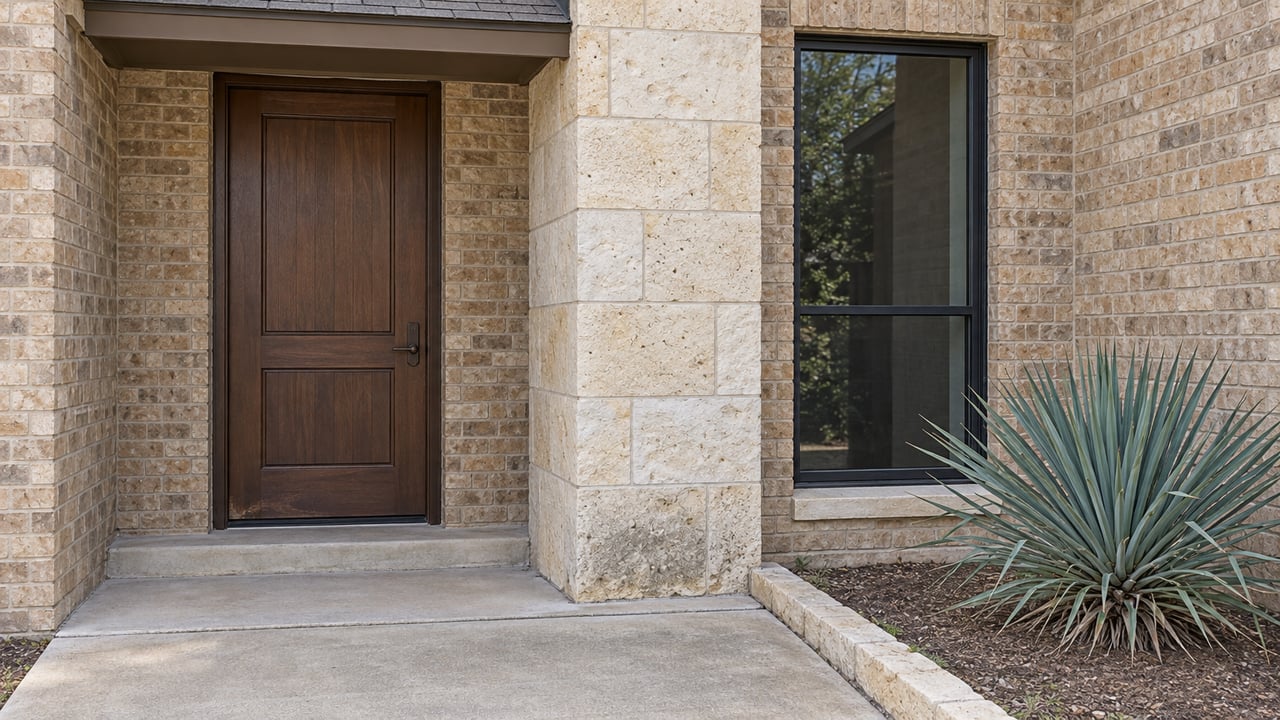
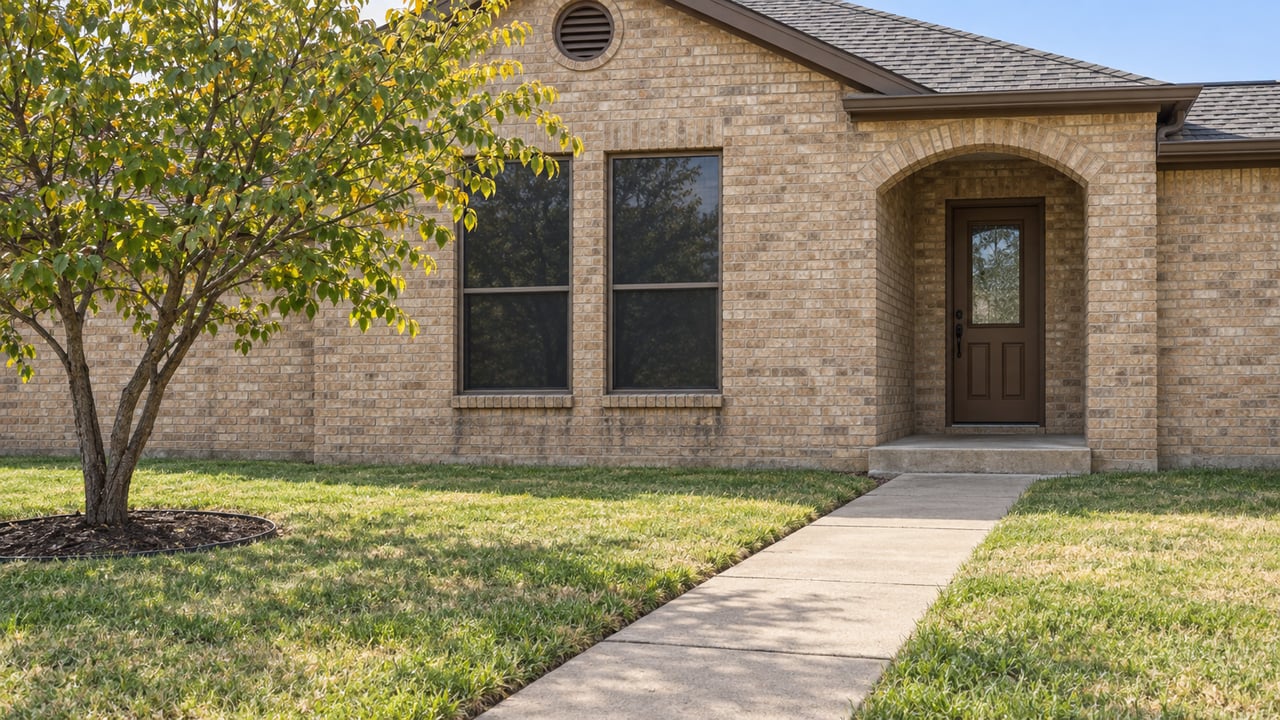
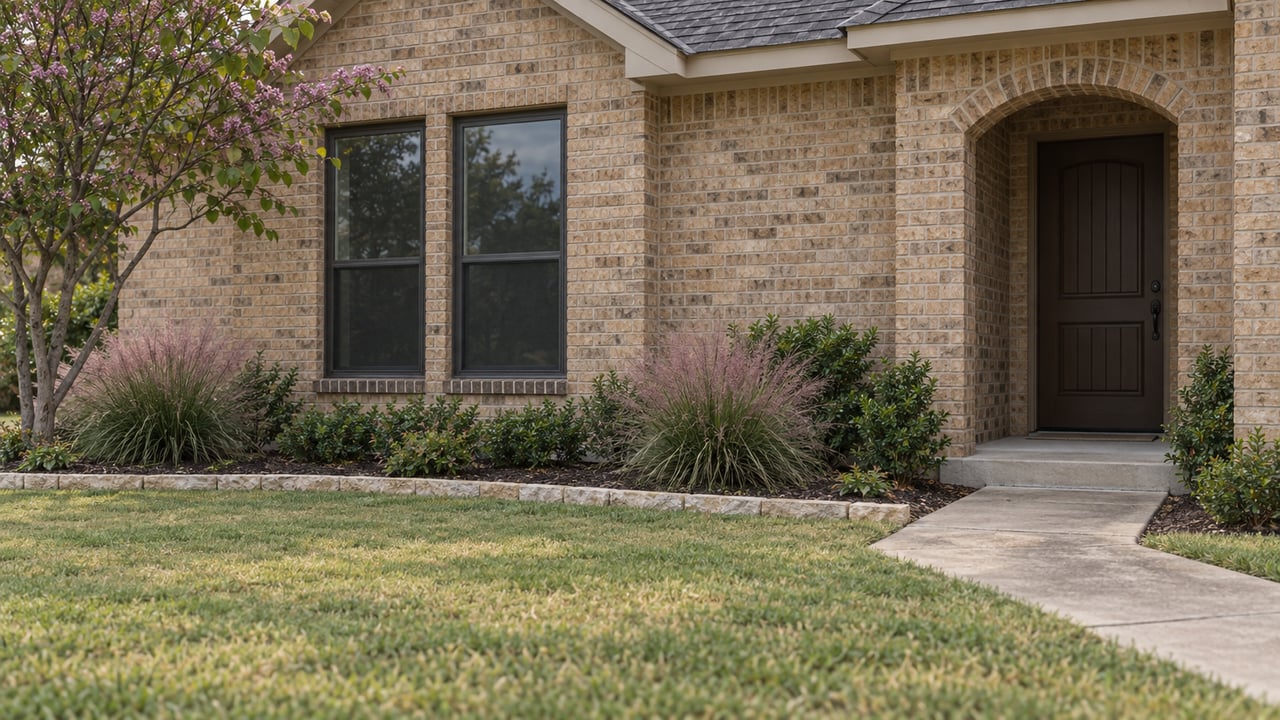
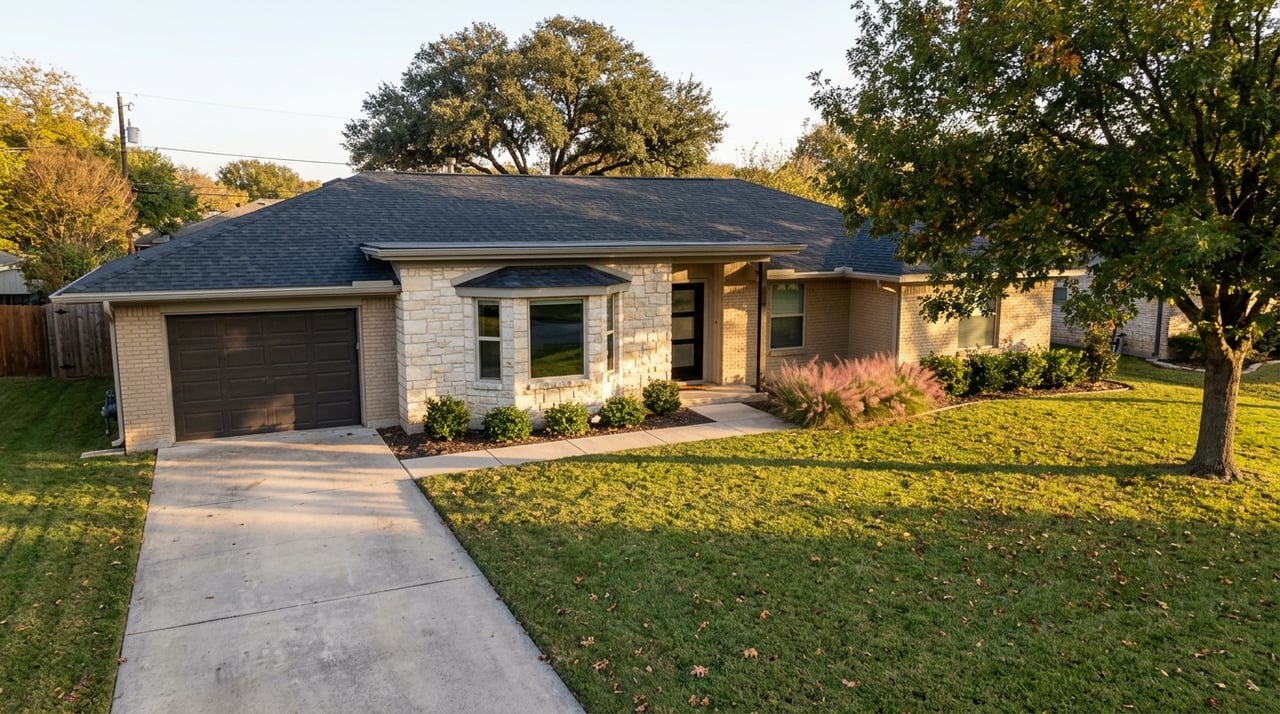
Just outside those redevelopment areas, the housing pattern changes. According to city materials, neighborhoods bordering North Burnet/Gateway are mostly detached single-family areas, and North Austin historic surveys note postwar Minimal Traditional, Minimal Ranch, Ranch-style homes, and some mid-century multifamily buildings from the 1960s and 1970s.
For you as a home searcher, the takeaway is simple. If you want a newer, more walkable, mixed-use setting, you will likely focus closer to The Domain, Domain NORTHSIDE, or redevelopment pockets. If you want an older single-family home with more separation from the office and retail core, nearby North Austin neighborhoods may offer that feel within a short drive or bike ride.
Daily commuting is more flexible
A lot of people assume North Austin office areas are purely car-dependent, but the data paints a more layered picture. In Austin’s 2025 community health assessment, residents reported an average commute of 24.0 minutes. The same report found that 58.8% drove alone, 27.5% worked remotely, and 2.1% used public transportation, with Travis County showing a similar pattern.
That matters because everyday life in the tech corridor often works best for people with a mixed schedule. If you go into the office a few days a week, work remotely on other days, or want options besides a full highway commute every single morning, this area gives you more flexibility than many suburban office districts.
Transit access around The Domain and Tech Ridge
Transit is one of the corridor’s biggest practical advantages. CapMetro Rapid Route 803 links The Domain to Westgate by way of UT and downtown, while Rapid Route 801 connects Tech Ridge to Southpark Meadows through UT and downtown. Rapid buses run every 15 to 30 minutes, which can make planning around office days much easier.
CapMetro’s Express network adds more options for Northwest Austin and Tech Ridge. According to CapMetro, these services use MoPac express lanes and include free Wi-Fi and park-and-ride access, which can be useful if you want to avoid driving the full trip yourself.
There is also rail access in the mix. CapMetro’s Red Line runs from downtown Austin to Leander, and Route 466 connects Kramer Station to The Domain or UT’s Pickle Research Campus. For some residents, that creates a routine where transit, park-and-ride, and occasional driving all work together depending on the day.
Work-from-home life fits well here
Austin’s mobility planning now treats telework as part of the transportation system, not just a personal preference. The city’s Transportation Demand Management strategic plan aims to make it easier to walk, bike, carpool, take transit, or telework, and city data shows remote work remains common in Austin and Travis County.
That planning direction matches the everyday feel of the corridor. This is a part of the city where your week might include a home office day, a coffee shop work session, one or two office days, and a quick dinner or trail outing nearby without needing to cross half the metro each time.
If your schedule is hybrid, the area can feel especially practical because so many daily needs are stacked close together. You may still drive often, but you are not relying on one transportation pattern for every task.
Dining and errands are easy to mix in
The Domain NORTHSIDE is one of the strongest concentrations of after-work activity in North Austin. Its Rock Rose district is described as a nightlife and entertainment hub with restaurants and bars including Jinya Ramen, Haywire, Velvet Taco, and Jeni’s Splendid Ice Creams, plus retail and events.
That matters because convenience is not only about commute time. It is also about how easily you can fit dinner, a quick meeting, shopping, or an evening out into the same part of town where you already spend time.
On remote-work days, third places can make a big difference. Domain NORTHSIDE lists WeWork for flexible workspace, and the area’s Capital One Café offering highlights Wi-Fi and room to work while you grab coffee or food. If you like breaking up the week with a change of scenery, that kind of setup adds real value.
Everyday errands can also feel broader and more varied than you might expect from an office-heavy area. The city’s North Lamar International District highlights groceries and foods from around the world, including dim sum, Vietnamese dishes, and Middle Eastern desserts. That adds another layer to the area’s daily convenience and dining options.
Outdoor time is part of the routine
If you want easier access to trails and outdoor recreation, the north side has a strong asset in Walnut Creek Metropolitan Park. City documents say the park includes more than 18 miles of trail, including the Northern Walnut Creek Trail.
Austin’s Urban Trails Program describes urban trails as wide, paved paths designed to support walking, biking, commuting, and recreation. The city says Austin has about 50 miles of urban trails in its network, which supports the broader idea of shorter trips and better non-car connections in areas like the tech corridor.
For everyday life, that can mean a bike ride before work, a walk after dinner, or a weekend outing without needing a major drive to reach green space. In a work-centered area, that balance can make a big difference in how livable the neighborhood feels over time.
What the area feels like day to day
The best way to think about Austin’s tech corridor is as a layered lifestyle area. It is not fully urban in the way downtown is, and it is not purely suburban either. Instead, it blends mixed-use housing, nearby single-family neighborhoods, major employers, transit options, retail, restaurants, and recreation in a way that supports a flexible routine.
You might live in a newer apartment, condo, or townhome near the office core and keep most of your weekday activities close to home. Or you might choose an older single-family home nearby and still use the corridor for work, dining, errands, and trail access.
The area is not car-free, and for many households driving will still be part of daily life. But compared with more isolated office districts, this part of North Austin offers more ways to combine work, home, and downtime in one connected section of the city.
Is Austin’s tech corridor a good fit for you?
This area may be worth a closer look if you want:
- Access to major North Austin employers
- A mix of condos, apartments, townhomes, and nearby single-family homes
- Transit options for at least part of your commute
- Nearby restaurants, shopping, and flexible workspaces
- Trail access and outdoor recreation close to home
- A location with city access outside the densest downtown setting
If your goal is a lifestyle with more convenience and more choice in how you move through the week, Austin’s tech corridor offers a strong mix. It brings together housing, offices, transit, dining, and recreation in a way that supports both in-office and hybrid schedules.
If you are weighing a move in Austin or looking for the right fit across Central Texas, Empyral Group can help you navigate your options with practical guidance and local insight.
FAQs
What is Austin’s tech corridor?
- Austin’s tech corridor generally refers to North Austin areas such as North Burnet/Gateway, The Domain, Domain NORTHSIDE, Tech Ridge, and the Burnet-Lamar-Parmer office belt rather than one official city boundary.
What types of homes are near Austin’s tech corridor?
- Housing near the corridor often includes newer apartments, condos, townhomes, and mixed-use residential buildings, while nearby surrounding areas include older detached single-family homes and some mid-century multifamily properties.
Is public transit available in Austin’s tech corridor?
- Yes. CapMetro Rapid Routes 803 and 801 serve The Domain and Tech Ridge, the Express network serves parts of Northwest Austin and Tech Ridge, and the Red Line plus Route 466 adds another option near Kramer Station and The Domain.
What is commuting like in North Austin’s tech corridor?
- Commuting in this area is often a mix of driving, remote work, transit, and park-and-ride use, which can be especially helpful for people with hybrid work schedules.
What are everyday amenities like near The Domain and Tech Ridge?
- The area offers a strong mix of restaurants, retail, flexible workspaces, grocery options, and entertainment, especially around Domain NORTHSIDE and the North Lamar International District.
Are there outdoor recreation options near Austin’s tech corridor?
- Yes. Walnut Creek Metropolitan Park has more than 18 miles of trail, and Austin’s urban trail network supports walking, biking, commuting, and recreation across the city.