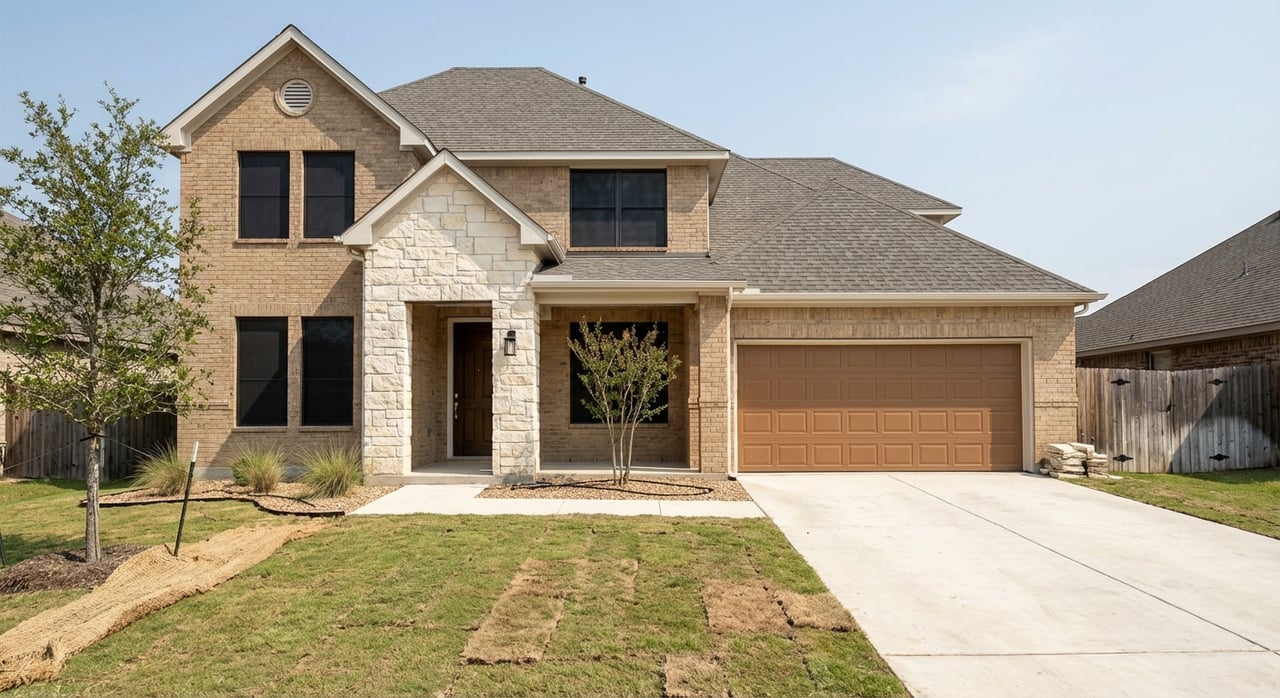
Thinking about a brand-new home in Austin but not sure where to start? You are not alone. Between builder contracts, warranties, commute tradeoffs, and incentives, it is easy to miss details that affect your budget and timeline. In this guide, you will learn what to check, when to negotiate, and how to protect your interests from contract to closing. Let’s dive in.
Austin new‑construction market today
Austin’s market has cooled from the pandemic peak, which can work in your favor. National data shows more price reductions on new builds and a smaller gap between new and resale prices. Builders across Texas have been using discounts and offering closing cost help or rate buydowns more often, which you should confirm on a community‑by‑community basis. Recent reporting highlights this shift.
Locally, Austin is seeing softer sales and longer days on market in many neighborhoods compared with prior years. Many communities have some inventory and more room to negotiate, though incentives change often. Always verify current promos with the on‑site rep and ask whether incentives depend on using the builder’s preferred lender or title company. Axios Austin’s coverage offers helpful context on today’s landscape.
Bottom line: You may be able to reduce a lot premium, secure upgrade credits, or get closing‑cost support. Just confirm terms and conditions in writing before you count those savings.
How builder contracts differ in Texas
New‑construction agreements are not the same as resale contracts. In Texas, the Texas Real Estate Commission has standardized New Home Contract forms for completed and incomplete construction. These forms are different from the One‑to‑Four Family Resale contract and include disclosures, milestones, and timelines unique to a new build. Review the exact form and version the builder will use before you sign. Learn more about recent form updates at the Texas Real Estate Commission.
Builder contracts usually cover lot premiums, staged deposits, design‑center selection deadlines, change orders, occupancy timing, and warranty processes. They may not include the same option period you see in resale. Confirm how inspections work, what happens if issues are found at the final walk‑through, and how long you have to report punch‑list items.
Appraisals can also feel different. You often pick upgrades after the base contract is signed. If the lender’s appraisal comes in below the upgrade‑adjusted price, you may need to bring extra cash or renegotiate. Get early guidance from your lender on how upgrades are treated and ask for recent closed sales of the same plan to help you price options wisely.
Closing timing depends on permits and inspections. In Austin, builders schedule inspections through the city’s AB+C Portal, and closings often hinge on the Certificate of Occupancy or a Temporary CO. Ask the builder to define what “closing ready” means in your contract and whether there are written remedies if delays occur. You can review the city’s process on the Austin Development Services page.
Quick contract tips:
- Request the full purchase agreement and all addenda before your design‑center visit.
- Calendar every selection deadline and warranty claim deadline.
- If you want appraisal or financing protection, confirm whether your contract includes it or if it must be negotiated.
Warranties and inspections that protect you
Most new homes follow a “1‑2‑10” style warranty: one year for workmanship and finishes, two years for major systems, and ten years for major structural elements. The exact coverage, caps, exclusions, transfer rules, and claim steps vary by provider and builder, so get the full warranty book, not just a brochure. You can read more about typical scopes from third‑party administrators like 2‑10 Home Buyers Warranty.
Plan independent inspections, even on a brand‑new home. City inspections check code, not finish quality or your preferences. Hiring your own licensed inspector at key stages offers better protection and leverage for repairs.
Recommended inspection timeline:
- Pre‑drywall. Catch framing, wiring, plumbing, and HVAC routing issues while they are still visible.
- Final walk‑through. Create a punch list and get the correction plan in writing.
- 10–11 months after closing. Use your one‑year workmanship window and ask an inspector to document items before coverage expires. See this overview of best practices from an inspection firm’s warranty checklist guide.
Pro move: Keep a simple home log with dates, photos, and all warranty requests and responses. Organized records make claims easier and faster.
Location, commute, and taxes in Austin
Your daily drive matters. Test your commute at peak times on MoPac/Loop 1, I‑35, US‑183, SH‑71, and SH‑130. Check routes to your workplace, schools, groceries, and health care. Transit plans can shift options in some areas, so review current rail and bus improvements from CapMetro if you want alternatives to driving.
Taxes vary by address. Austin‑area new communities can sit inside different school districts and taxing units. Before you commit to a lot, pull parcel tax history, learn about homestead exemptions, and understand protest timelines using the Travis Central Appraisal District’s TCAD FAQs. This step helps you estimate your monthly escrow and model future changes.
Many new subdivisions use special districts. Municipal Utility Districts (MUDs) and Public Improvement Districts (PIDs) help finance infrastructure, which adds assessments to your yearly costs. Ask for the MUD or PID packet that outlines tax history, outstanding bonds, and budget details. For a plain‑English overview of how these work, see this guide to MUDs and PIDs.
Permits and occupancy. Austin follows updated building codes with local amendments, and builders must complete all required inspections and obtain a CO or TCO before occupancy. Ask your builder for permit numbers and whether the phase has been accepted for public improvements. You can confirm the process at the city’s building inspection page.
Smart negotiation moves with builders
Austin’s softer market often opens doors for savings, but you need a plan. Start by asking for a written list of current incentives and whether any require the builder’s lender or title company. Then decide what matters most to you and your budget.
Common levers to discuss:
- Lot premium. Request a reduction or a closing credit, especially if similar lots remain available.
- Upgrade credits. Prioritize structural or high‑impact items that tend to hold value and avoid over‑selecting easily replaceable finishes.
- Closing costs or rate buydowns. Compare the builder’s preferred lender offer against an independent quote so you understand the real savings. The national trend toward rate buydowns and credits is real, but terms vary by community. See the broader context in this new‑construction market snapshot.
- Delay remedies. Ask for clear language on target close dates, notice windows, and credits if construction runs long.
Why bring your own buyer’s agent
The smiling salesperson in the model home represents the builder. Under Texas rules, a license holder must disclose who they represent, and the builder’s rep owes duties to the builder, not to you. That is why many buyers choose independent representation. You can read more about agency basics in Texas in this overview of the Information About Brokerage Services.
A strong buyer’s agent helps you:
- Review contracts and flag unfavorable terms.
- Time and coordinate independent inspections.
- Pressure‑test upgrade choices against resale and appraisal realities.
- Model total costs, including taxes, MUD or PID assessments, and likely closing figures.
If you plan to use an agent, bring them to the first visit or ask them to register you. Some builders limit later agent involvement if you register solo on day one.
Your step‑by‑step game plan
- Clarify your budget and loan type, then get a rate quote from both the builder’s lender and an independent lender for apples‑to‑apples comparisons.
- Request the full builder contract packet before you visit the design center. Look for selection deadlines, inspection rights, warranty windows, appraisal or financing protections, and delay language. See recent contract updates at the Texas Real Estate Commission.
- Ask for the itemized upgrade price sheet and at least one recent closed sale of your plan with similar options. Use this to prioritize high‑value selections.
- Hire an independent inspector for pre‑drywall and final inspections, and set a reminder for an 11‑month warranty inspection. Reference this inspection checklist to plan the scope.
- Drive your commute at rush hour and review current rail or bus updates with CapMetro. Map travel times to daily needs.
- Pull tax guidance and exemptions from TCAD’s FAQs and request the MUD/PID packet if your lot sits in a special district. Read a simple explainer here: MUDs and PIDs.
- Negotiate the package. Ask about lot premium reductions, upgrade credits, closing‑cost contributions, and clear remedies for delays. Put every promise in writing.
Buying new construction should feel exciting, not stressful. If you want a local, builder‑savvy team in your corner from first tour to one‑year warranty check, reach out to the Empyral Group. We combine brokerage experience with hands‑on building knowledge to help you compare communities, read the fine print, and move in with confidence.
FAQs
Do I still need inspections on a brand‑new Austin home?
- Yes. Independent pre‑drywall, final, and 10–11 month inspections catch issues city code checks may not, and they give you leverage to get items addressed under warranty.
How are new‑build contracts different from resale contracts in Texas?
- New‑home contracts use different TREC forms with selection deadlines, progress milestones, and warranty procedures, so you should review the exact form and all addenda before signing.
What should I look for in a new‑home warranty?
- Most follow a 1‑2‑10 model, but scope and exclusions vary, so ask for the full booklet, confirm start dates and transfer rules, and calendar claim deadlines.
Can I negotiate price or upgrades with an Austin builder?
- Often yes. Ask about lot premium reductions, upgrade credits, and closing‑cost or rate buydown offers, then compare against an independent lender quote before deciding.
What are MUDs and PIDs, and why do they matter?
- Municipal Utility Districts and Public Improvement Districts add assessments that affect your yearly costs, so request the full packet and include these numbers in your monthly budget.