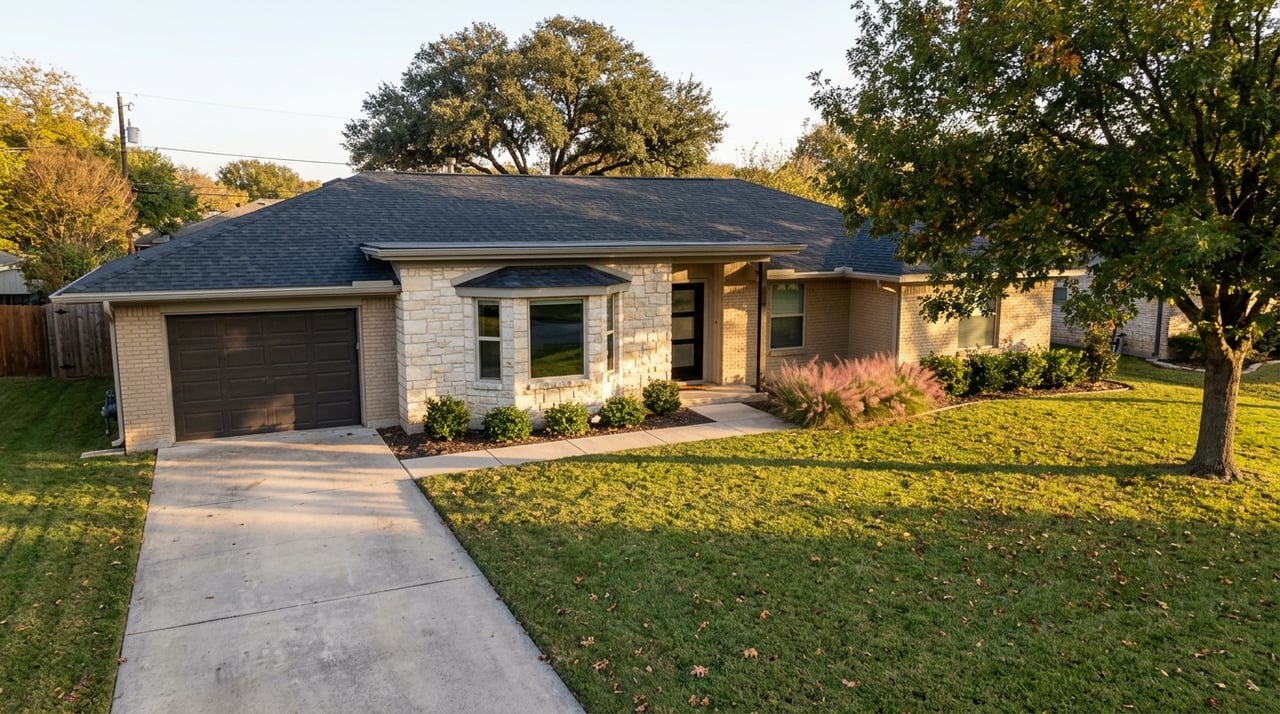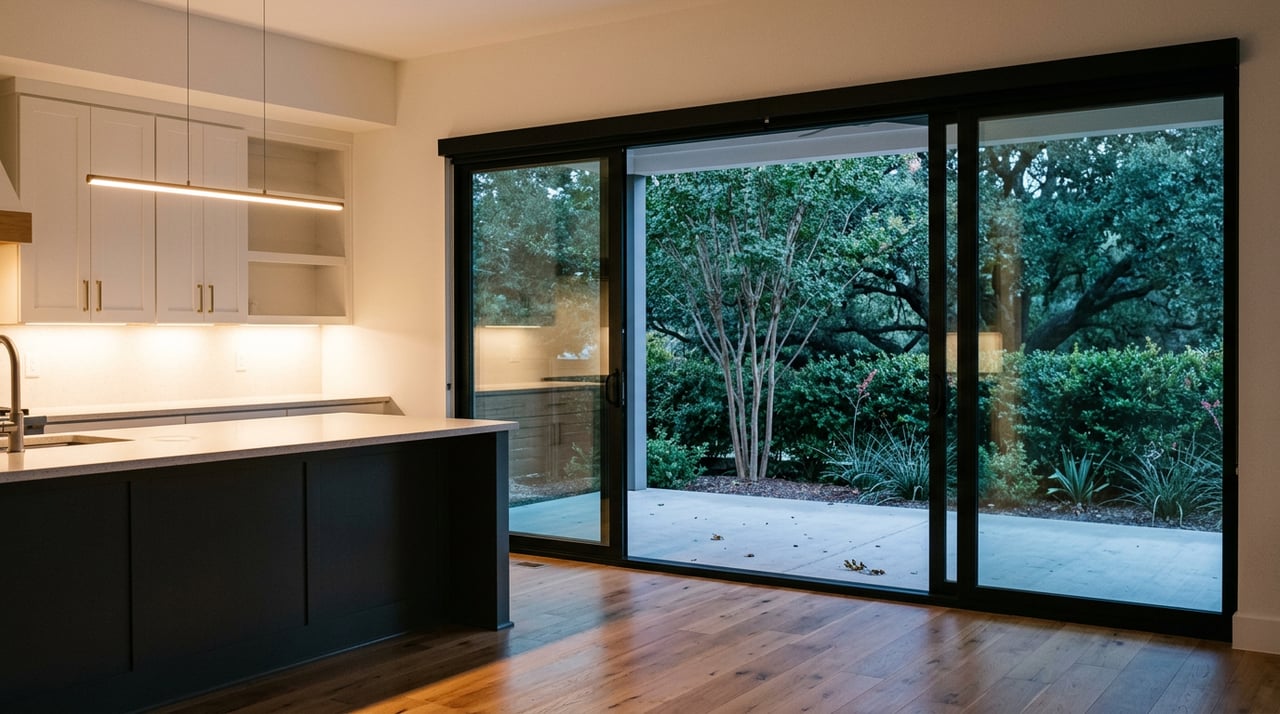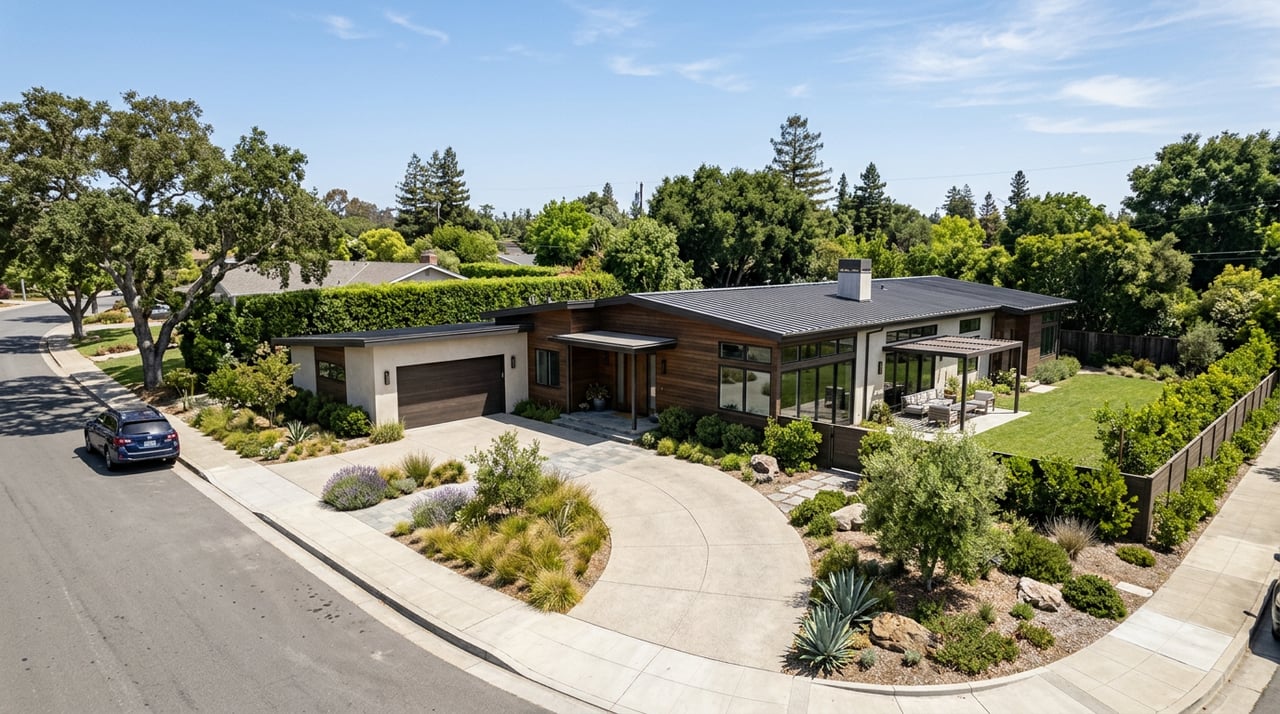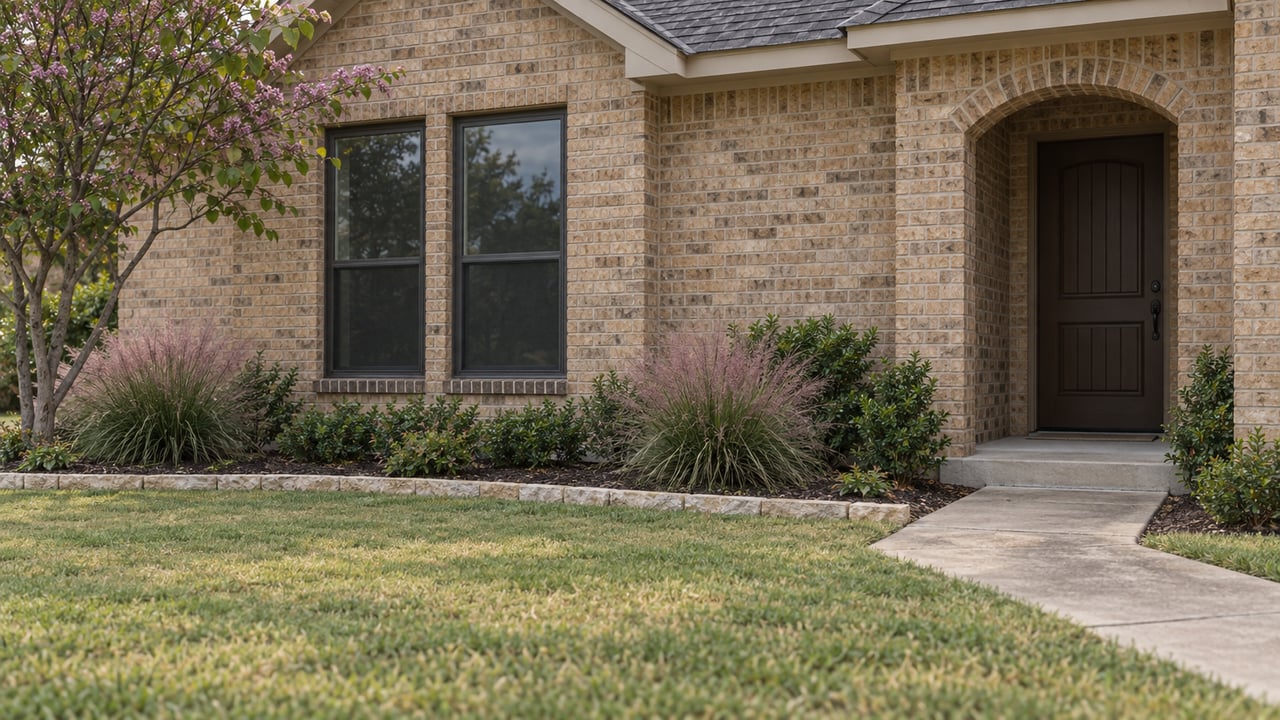
A resale listing in the College Hills and Woodlands area near Texas A&M spells out one word in capital letters: UNRESTRICTED. The property has a track record as a working short-term rental, and the listing leans on that history to pitch income potential to an investor buyer. The capitalization is doing a lot of work for one word, and it's not describing the city's rules. College Station already lets short-term rentals operate almost everywhere within its limits. The word is describing something the city stopped controlling years ago and something else started controlling instead.
College Station spent the better part of two years rewriting its short-term rental ordinance into one of the more permissive versions in the state. Meanwhile, the deed restrictions recorded against dozens of its subdivisions, some written decades before Airbnb existed, never got amended to match. That gap is the thing sellers, buyers, and investors need to understand before they market a College Station home's rental income, because the city's permission and a subdivision's permission are now two separate questions with two separate answers.
The Ordinance the City Spent Two Years Rewriting
College Station's first short-term rental ordinance took effect October 1, 2020, after a lengthy council process that started with resident complaints about weekend rentals turning single-family streets into rotating hotels. Rich Woodward, then president of the College Station Association of Neighborhoods, framed the push at the time as an effort to keep neighborhoods family-friendly. The version that passed required owner occupancy for two of three rental license categories, on top of registration, a life-safety inspection, and hotel occupancy tax collection.
Local real estate voices flagged the owner-occupancy piece as the part that would actually hurt property values. Amy Dubose, then executive with the Bryan-College Station Regional Association of Realtors, warned that requiring an owner to live in a home would gut the usability of properties built specifically for game-day rental income near campus, and that those homes would lose resale value once that use went away.
The owner-occupancy requirement didn't last. A Fifth Circuit Court of Appeals ruling in a Louisiana case found that limiting short-term rental operations based on where the owner lived violated the interstate commerce clause. Cities across the country reexamined their own ordinances after that decision, College Station among them. On December 8, 2022, the city council passed Ordinance 2022-4411, stripping the owner-occupancy requirement out entirely. The rules now live in the Code of Ordinances as Chapter 103, Article VI, Sections 103-243 through 103-253, and they apply the same way in every zoning district in the city.
The revision settled a question that had hung over College Station purchases since 2020, whether a buyer could use the home as a short-term rental. As of today, the answer citywide is yes. No zoning district bans the use. No rule requires the owner to live there.
What City Hall Actually Asks For Today
The permit process that survived the 2022 rewrite is thin compared to what a lot of Texas college towns require. An operator needs a $100 annual permit from Code Enforcement, a life-safety inspection (an additional $100, with a $124 fee if the property fails and needs a reinspection), and a $75 renewal every year after. The permit is good for one year, and a clean track record lets an owner self-certify at renewal instead of scheduling a repeat inspection.
The life-safety requirements are specific rather than vague: working smoke detectors that meet the adopted code, a carbon monoxide detector if the unit runs on gas or propane, and at least one fire extinguisher rated 1A:10B:C on every floor. Operators also have to hand guests a brochure covering 24-hour contact information, neighborhood details like parking and noise rules and trash pickup days, and emergency numbers for police, fire, and EMS. Every online listing has to display the permit number.
Enforcement runs on complaints rather than routine patrols. Code Enforcement handles it through SeeClickFix reports or direct email, and because the ordinance requires a local contact able to show up in person within an hour of a complaint, the city built a response mechanism into the rule itself rather than leaving neighbors to chase down an absentee owner.
On top of the permit sits the tax layer, and this is where a College Station short-term rental gets more complicated than the permit process suggests.
| Tax layer | Rate | Filed with |
|---|---|---|
| State hotel occupancy tax | 6% | Texas Comptroller, typically collected by the booking platform |
| City hotel occupancy tax | 7% | City's administrator, due by the 20th of the following month |
| Brazos County hotel occupancy tax | 2.75% | Brazos County Treasurer, due by the last day of the following month |
| Total | 15.75% |
The county's 2.75% has its own history worth knowing before promising a buyer a clean rental income number. Brazos County collects a 2 percent venue tax that supports the Brazos Valley Fair and Exposition Complex, and added another 0.75 percent in 2013 specifically to help fund the renovation of Texas A&M's Kyle Field. Every night booked in a College Station short-term rental is still, in a small way, paying down stadium construction from over a decade ago. It's a detail worth knowing, and it's also 15.75 cents of every dollar of gross rental income gone before a platform fee gets subtracted, a number worth running before anyone markets a home's rental math to a buyer.
The Restriction the City Ordinance Never Touched
None of this explains why a listing needs the word UNRESTRICTED at all. The city's permission is uniform, so the variable has to be sitting somewhere else, and it is: in the recorded deed restrictions attached to the subdivision itself.
Many College Station subdivisions were platted with restrictive covenants written well before short-term rental was a category anyone anticipated, often limiting use to single-family residential purposes, setting minimum lease terms, or prohibiting business use of a home outright. These covenants are private contracts between property owners in a subdivision, recorded in the county's deed records, and they sit entirely outside the city's authority. The 2022 ordinance rewrite that removed owner-occupancy requirements citywide had zero effect on any of them. A subdivision's covenant can still flatly prohibit the exact activity the city now permits everywhere, and the city has no mechanism to override it.
That's the actual meaning behind a listing capitalizing UNRESTRICTED. It's telling an investor buyer that this specific subdivision, unlike a lot of its neighbors, never recorded that kind of prohibition, or has since released it. Older, established neighborhoods with mature tree cover and long-tenured homeowners, the kind of streets that tend to carry decades-old paperwork, are exactly the places most likely to still have these covenants sitting quietly in the county records, unaffected by anything City Hall has done since.
What This Means If You're Listing Near Campus
For a seller thinking about marketing a home's short-term rental income potential, the permit status and the tax obligations are the easy part to verify. The harder, more important step is pulling the subdivision's actual Declaration of Covenants, Conditions and Restrictions from the county deed records before advertising rental income at all. A city permit and a passed inspection don't override a covenant violation, and a homeowners' association or a neighbor with standing under the covenant can still force a shutdown after the fact.
For a buyer looking at a resale listing that leans on a strong Airbnb track record, the permit itself is typically tied to the operator and the ownership at the time it was issued rather than transferring automatically with the sale. A new owner generally needs to reapply, and a listing description mentioning a property is currently leased through a certain date says something about existing tenants, not about whether short-term rental use is legally established going forward.
A short checklist before anyone promises rental income on a College Station listing:
- Confirm the subdivision's recorded covenants actually permit short-term or transient rental use, not just that the city ordinance does
- Confirm whether the current owner's permit is active and whether it will need to be reapplied for under new ownership
- Run the full 15.75% tax stack against gross rental income before quoting a net number to a buyer
- Check that the property's advertising, current and future, displays the required permit number
A few quick answers
Does College Station require an owner to live in a home used as a short-term rental? No. That requirement was removed from the ordinance on December 8, 2022, and the rule now applies the same way regardless of where the owner lives.
Can a homeowners' association still block a short-term rental even with a valid city permit? Yes. Deed restrictions are private agreements recorded against the property and sit outside the city's authority. A city permit doesn't override a covenant that prohibits the use.
Where does the county's share of the hotel tax actually go? Brazos County's 2.75% splits into a 2 percent venue tax supporting the Brazos Valley Fair and Exposition Complex and a 0.75 percent tax added in 2013 to fund the Kyle Field renovation.
Does an existing short-term rental permit transfer to a new owner at closing? Generally no. Permits are tied to the operator and property at issuance, and a change in ownership typically requires a new application through Code Enforcement.
If you're weighing whether a College Station property's short-term rental history is actually worth what a listing claims, or whether a subdivision's paperwork lines up with the plans you have for it, the team at Empyral Group can help you check both sides of that question before you write an offer or set a price.