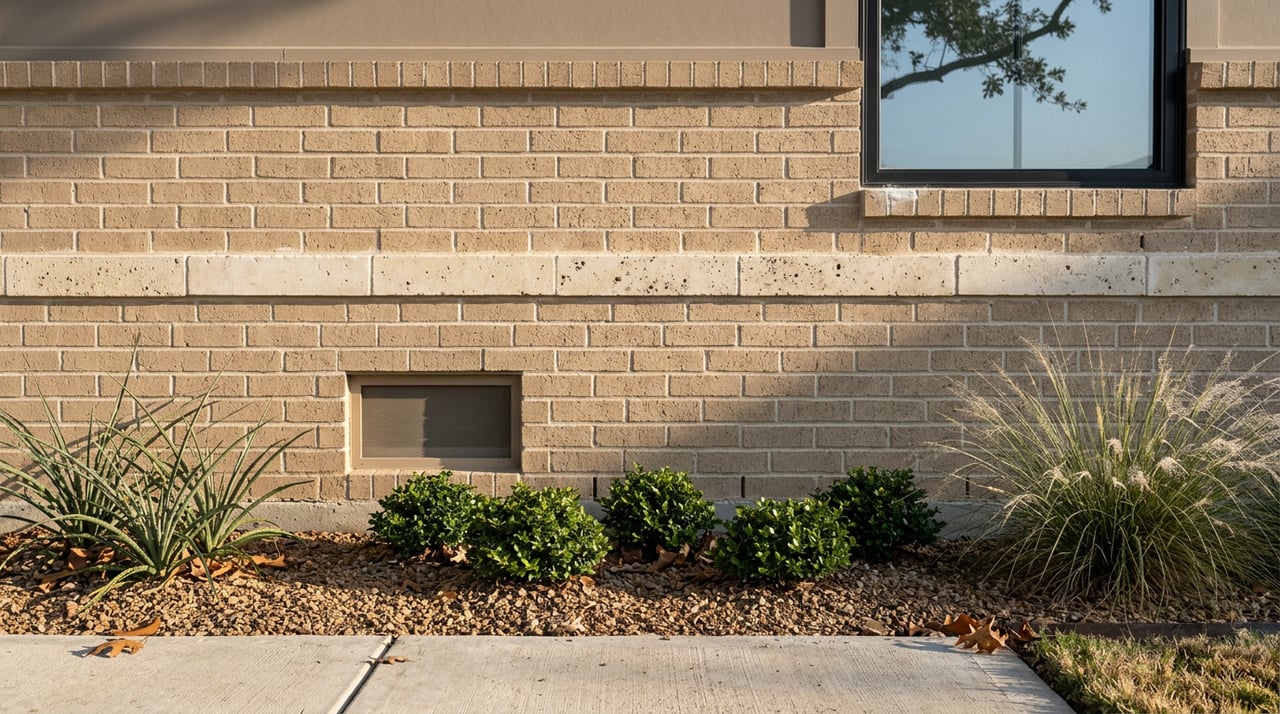
The call usually comes a week or so after the appraiser walks the property. The lender's processor says something like "we've got a condition on the file" and the buyer's first thought, every time, is that the house appraised low. They start doing math on how much cash they'd need to bring to closing, or whether the seller will cut the price.
Then they read the actual note. Stair-step crack in the brick veneer near the garage return. Door in the back bedroom that won't latch. Nothing about value at all.
In Killeen, this mix-up happens often enough that it's worth untangling before you're the one on that call, especially if your file is tied to a PCS report date and every extra week costs you a hotel stay or a second mortgage payment.
Two completely different letters from the VA
A VA appraisal actually answers two unrelated questions, and the fixes for each one don't overlap at all.
The first question is whether the home is worth what you agreed to pay. If the appraiser's comparable sales don't support the contract price, VA Loan Network says that triggers the Tidewater process: your lender gets two business days to submit additional comps that might justify the number. If the value still comes in low, someone has to close the gap, whether that's the seller dropping price, the buyer bringing extra cash, or both sides splitting the difference.
The second question is whether the home is safe, sound, and sanitary under the VA's Minimum Property Requirements. This has nothing to do with what the house is worth. A home can be priced exactly right and still fail here if the appraiser sees an active roof leak, exposed wiring, or a foundation issue serious enough to flag. When that happens, the loan doesn't move forward on value negotiation. It stalls on a repair list.
Confusing the two costs people real time. A buyer who thinks they're negotiating price when they're actually looking at a repair-first condition ends up arguing the wrong point with the wrong person.
Why Killeen homes trip the condition wire more than most
Killeen sits on Blackland Prairie clay, and several local foundation contractors describe the same pattern: the soil holds high clay content that swells when it's wet and shrinks hard when it dries out, and Central Texas gives it plenty of both. The region gets roughly 30 to 32 inches of rain a year, concentrated in spring and fall storms, followed by long, dry summers that pull moisture back out of the ground. That cycle repeats every year, and slabs move with it.
The visible signs are consistent enough that Bell County inspectors and structural engineers across the region look for the same short list every time:
- Stair-step cracks running diagonally through brick mortar joints
- Doors or windows that stick, won't latch, or show daylight gaps around the frame
- Sloped floors, sometimes tested by watching which way a golf ball rolls
- Baseboards or trim pulling away from the wall
- Efflorescence, the white powdery residue that signals moisture has been moving through the foundation
None of these automatically means a home has a serious structural problem. One symptom on its own is often just a house doing what houses in this soil do. Two or more together is usually the point where a professional look makes sense, and it's exactly the kind of thing a VA appraiser is trained to flag once they see it.
Age works against older Killeen inventory here too. A large share of the area's housing stock has been cycling through decades of this clay behavior, and homes near the base carry an extra wrinkle: military turnover means properties change hands or change tenants every two to three years. A foundation that's been quietly moving for years doesn't announce itself until an appraiser's flashlight catches the crack.
What a condition flag actually costs you
The numbers matter here because they're the difference between a minor scheduling hiccup and a blown report date.
| Low appraised value (Tidewater) | MPR condition failure | |
|---|---|---|
| What triggers it | Comps don't support contract price | Safety, structural, or sanitation defect |
| Who resolves it | Lender submits additional comps during the two-business-day window | Seller or buyer completes the repair |
| What happens next | Value holds, buyer negotiates, or deal adjusts | Reinspection usually required before closing |
| Added cost | Possible price reduction or cash to close | Repair cost plus a roughly $150 reinspection fee |
| Added time | Days, if comps are available | A week or more, depending on repair scope |
VA appraisals in Texas typically take about ten business days from assignment to report, though the full range runs anywhere from 7 to 21 business days depending on appraiser availability and property condition. A repair-and-reinspect cycle adds to that on top, and if the repair needs a permit, Killeenslab notes that Bell County requires one for structural foundation work, so plan on that timeline stretching further. For a family working against a PCS report date, that's not a rounding error.
Foundation work itself varies widely by scope. Smaller jobs involving a handful of piers commonly land in the $3,500 to $12,000 range, while larger stabilization projects can run well past $20,000. Homeowners insurance typically doesn't cover gradual soil movement, since that falls under maintenance rather than a covered peril, so this cost usually lands on whoever owns the repair obligation in the contract.
The seller's move in a market that finally has room to negotiate
Killeen's market has shifted enough in 2026 that sellers can't count on buyers overlooking a crack the way they might have a few years ago. The median sale price sat around $228,000 for the three months ending in May 2026, and homes were taking an average of about 69 days to sell, up from 63 days over the same stretch a year earlier. The Killeen-Temple metro logged a median time on market of 70 days in June 2026. That's a market with real inventory and buyers who can afford to wait for a cleaner file, which is a different negotiating position than the one sellers had during the tighter years just after the pandemic. You can track how this metric has moved over time through the Federal Reserve's public data series on Killeen-Temple market days.
If you're selling into that environment, the smartest move is getting ahead of the crack instead of waiting for the appraiser to find it. A pre-listing look from a structural engineer, not just a general home inspector, gives you a written record of what's actually happening and what it would take to fix. If a prior repair was done, dig up the permit and any warranty paperwork. Buyers and appraisers both respond better to documentation than to a fresh coat of paint over a mortar crack.
The buyer's move before you waive anything
If you're the one house-hunting on a PCS clock, order your own inspection before the VA appraisal, not after. A general home inspection runs a few hundred dollars and will usually catch the visible signs long before the appraiser's report becomes the deciding document. If your inspector flags a crack pattern or a sticking door, that's the moment to ask for a structural engineer's opinion, not after you've waived your option period.
It's also worth remembering that VA Loan Network says the buyer typically pays for the initial VA appraisal, and that fee is generally non-refundable once the appraiser has done the work, whether or not the loan closes. Confirming who's expected to pay for any MPR repair, before you're staring at a condition report with a closing date bearing down, saves a round of back-and-forth you don't have time for.
A few quick answers
Does a low appraisal automatically kill a VA loan? No. It triggers Tidewater, which gives the lender a window to submit more comparable sales. If the value still doesn't support the price, the buyer, seller, or both negotiate the gap.
If you're weighing a Killeen or Fort Cavazos-area purchase or sale and want someone who already knows which cracks are cosmetic and which ones need a second look, Empyral Group has been walking Central Texas families through exactly this process since 2019. Let's Make Your Next Move — Talk to Our Local Team.
This article is general information, not legal, tax or financial advice. Consult a qualified professional about your situation.